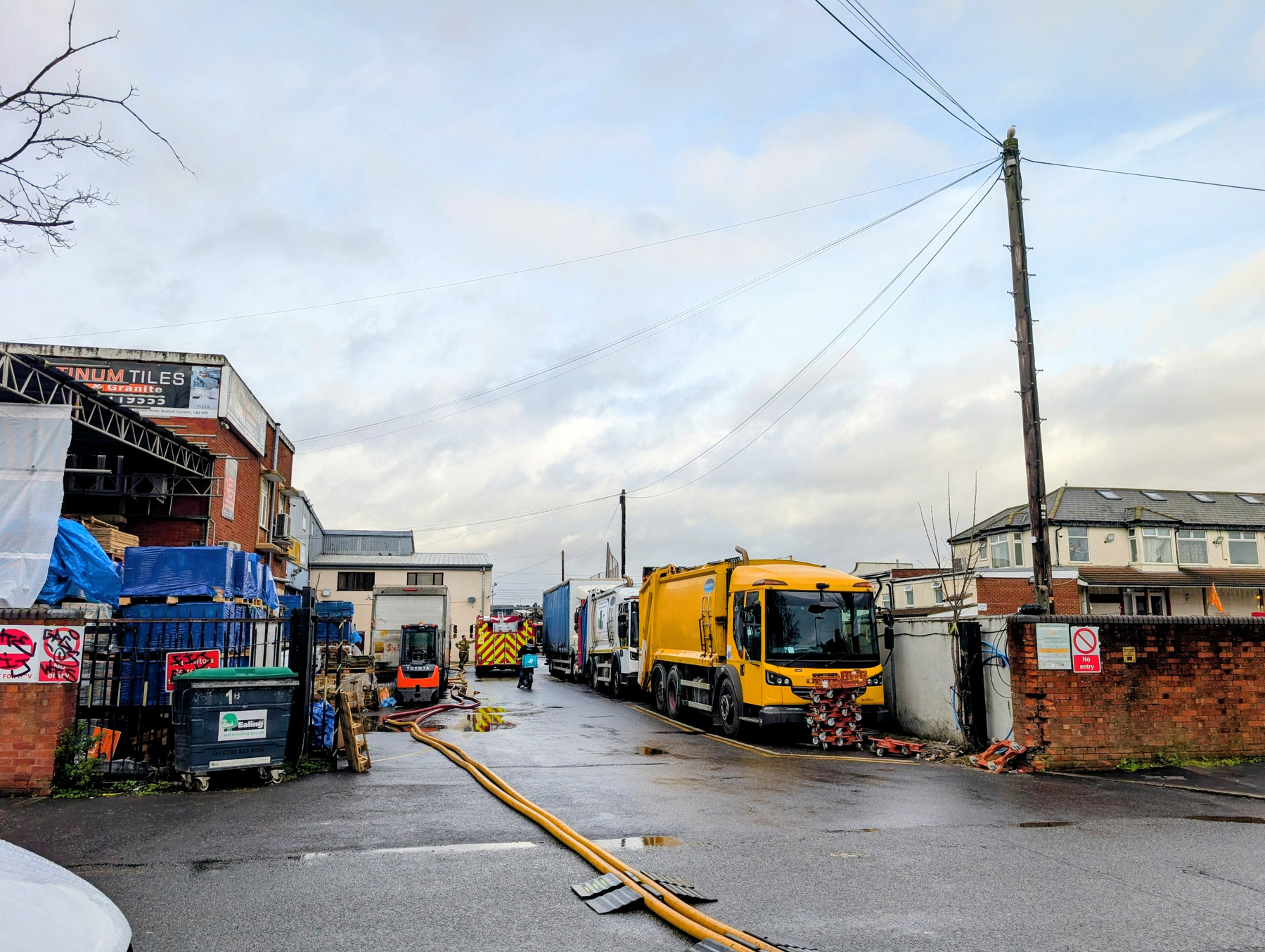
Literally within a couple of hours of posting my update on the Southall Gasworks / Toxic Town scandal yesterday, the recycling site just behind our home burned to the ground. My wife was terrified the fire would spread to our home with our two young children and now my elderly mum, too. Fortunately for everyone living nearby the emergency response was rapid and effective, and while the fire caused a great deal of inconvenience for weary travellers due to the closure of the adjacent Great Western railway line, the fire brigade got it under control fairly quickly.
Before: 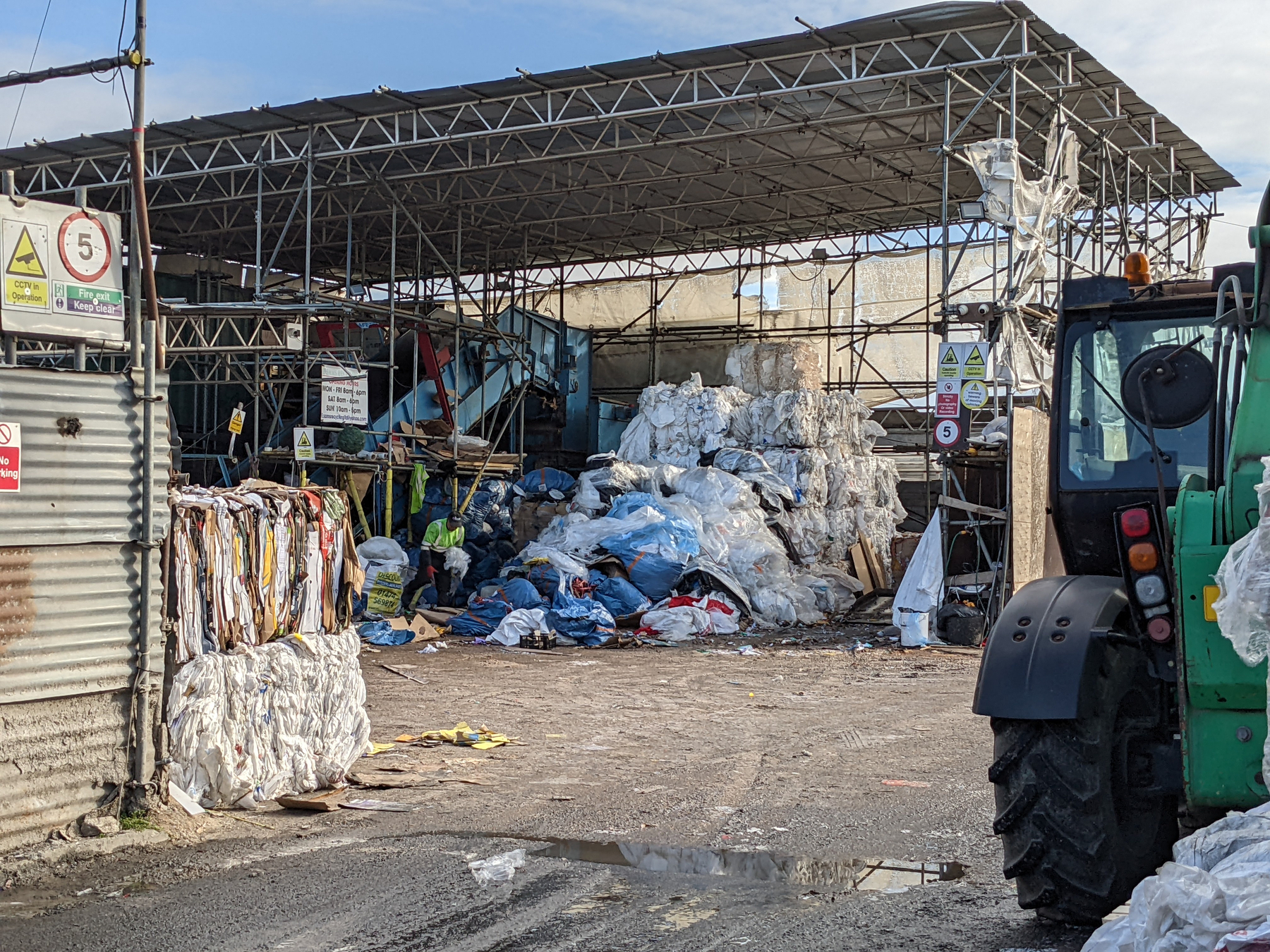
After: 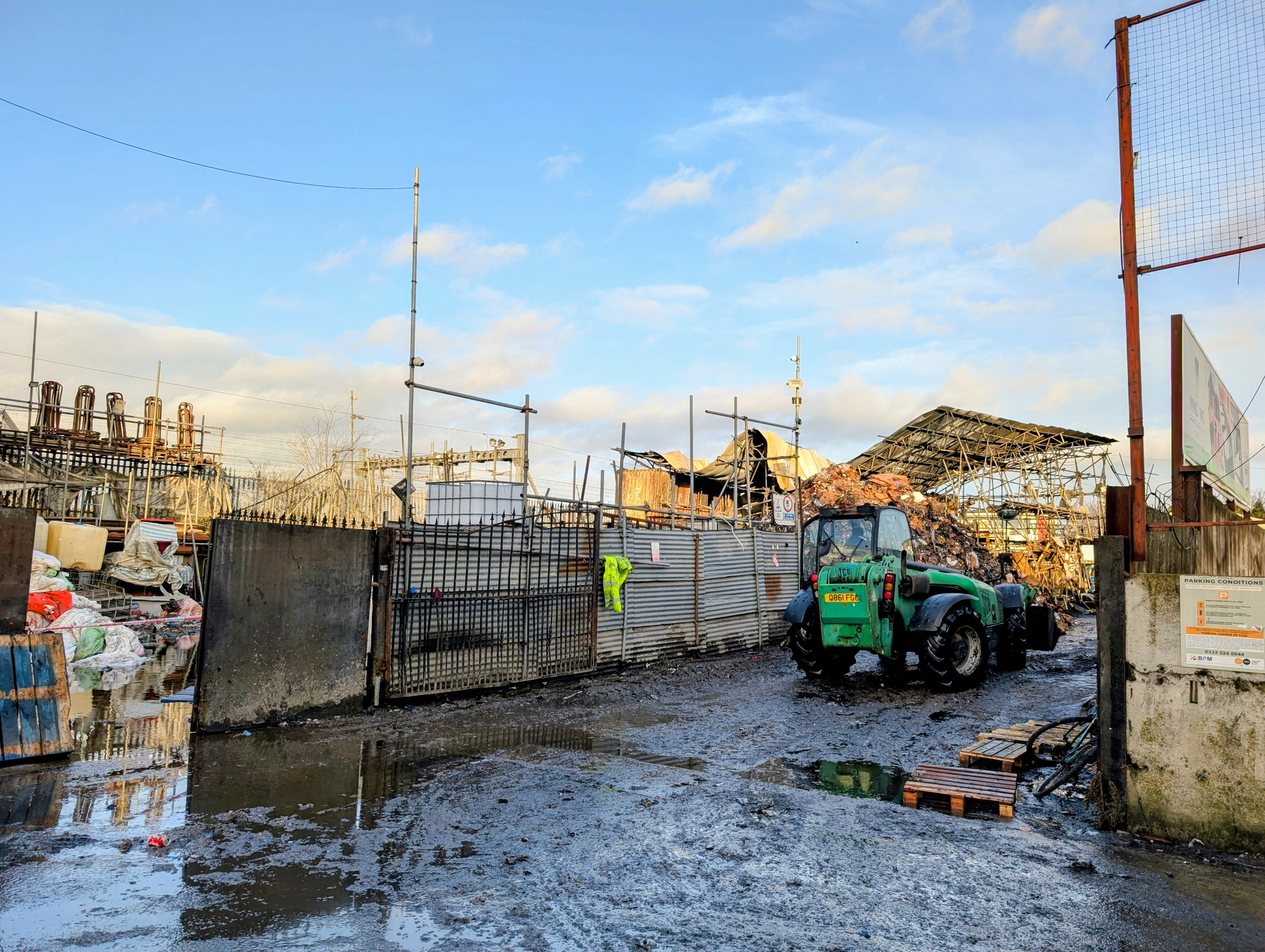
The major fire at a recycling facility on 11 January 2026 was not an unforeseen accident. It was a predictable outcome of prolonged regulatory inaction, despite repeated, documented warnings from residents about unsafe waste burning, poor storage practices, toxic emissions, and escalating fire risk at this site.
On the evening of 11 January, approximately 15 tonnes of mixed recycling caught fire at Sam’s Recycling, Johnson Street, Southall. The blaze required eight fire engines and around 60 firefighters, produced dense smoke across nearby residential areas, and led to the partial closure of the Great Western Main Line, disrupting services to Heathrow. The London Fire Brigade has stated that the cause of the fire is “not yet known”.
This site has a long, well-documented history of complaints and warnings, including:
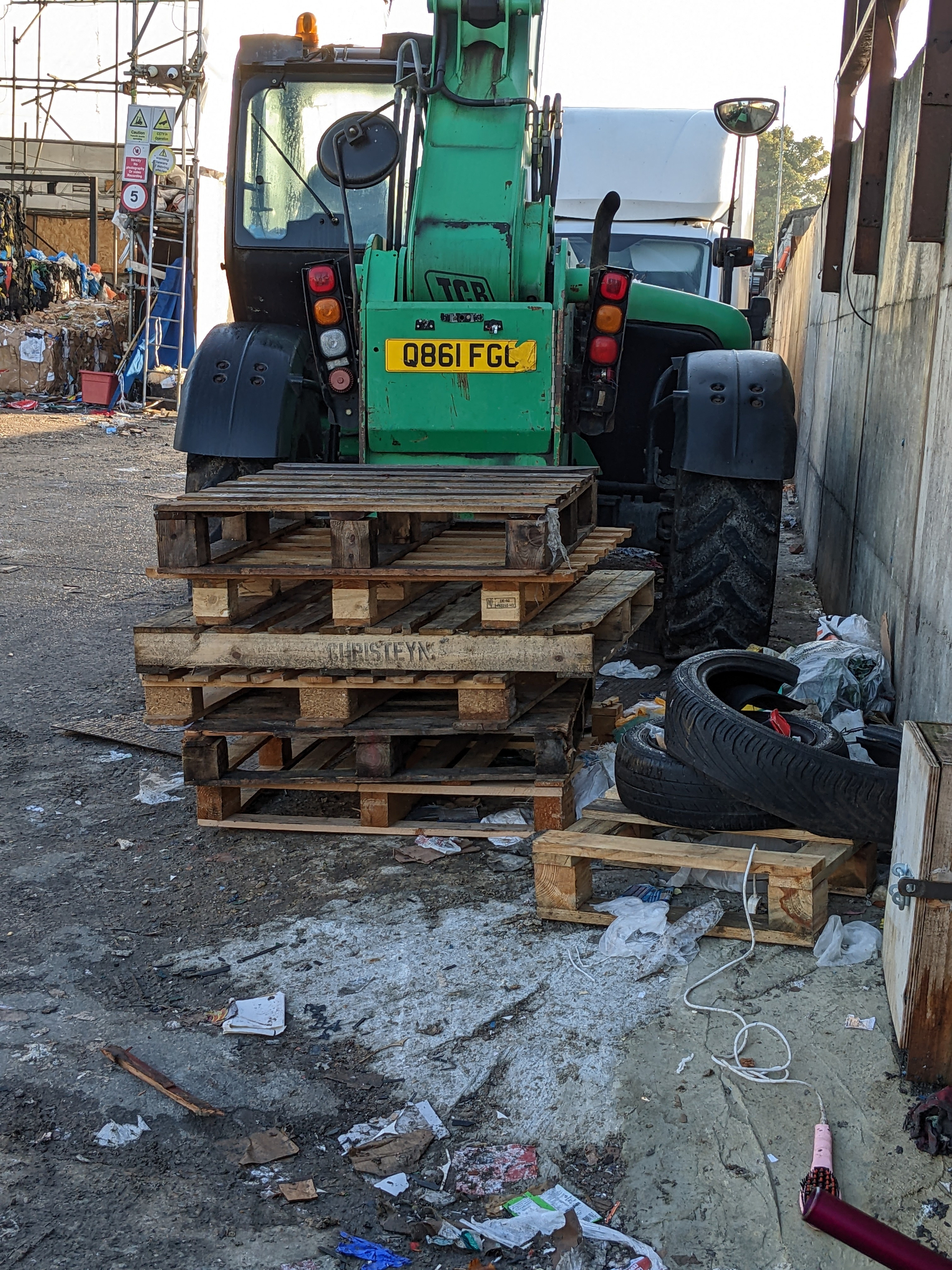
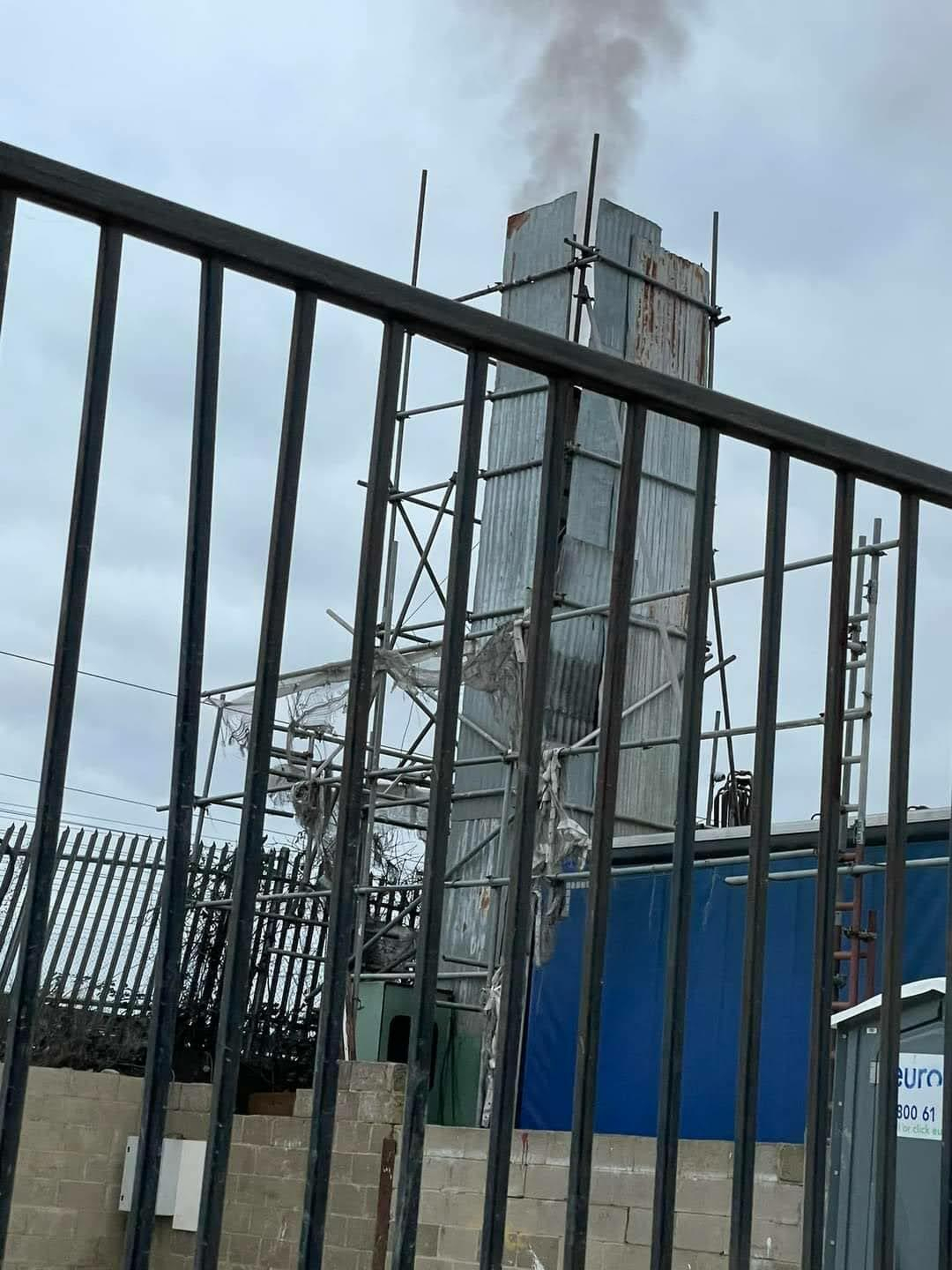
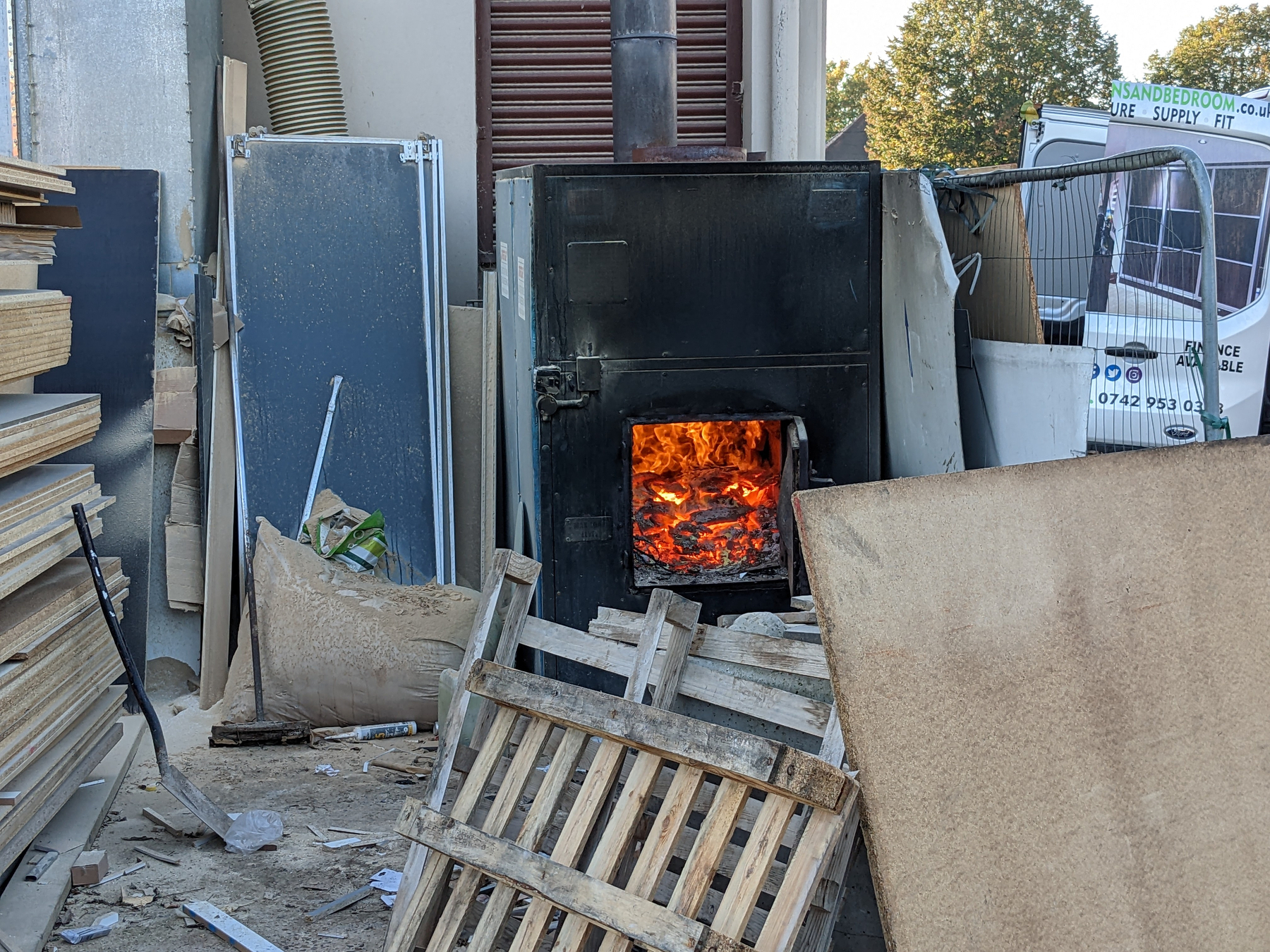
- Repeated resident reports (since at least 2022) of burning plastic, treated wood, pallets, and mixed waste at Sam’s Recycling and neighbouring units.
-
Photographic and video evidence submitted to Ealing Council showing open or poorly enclosed incineration, smoke plumes, and unsafe waste handling.
-
Formal correspondence confirming regulatory confusion between Ealing Council and the Environment Agency over responsibility for overseeing waste burning at the site.
-
Written warnings issued to the operator, followed by no meaningful enforcement action, suspension, or closure.
-
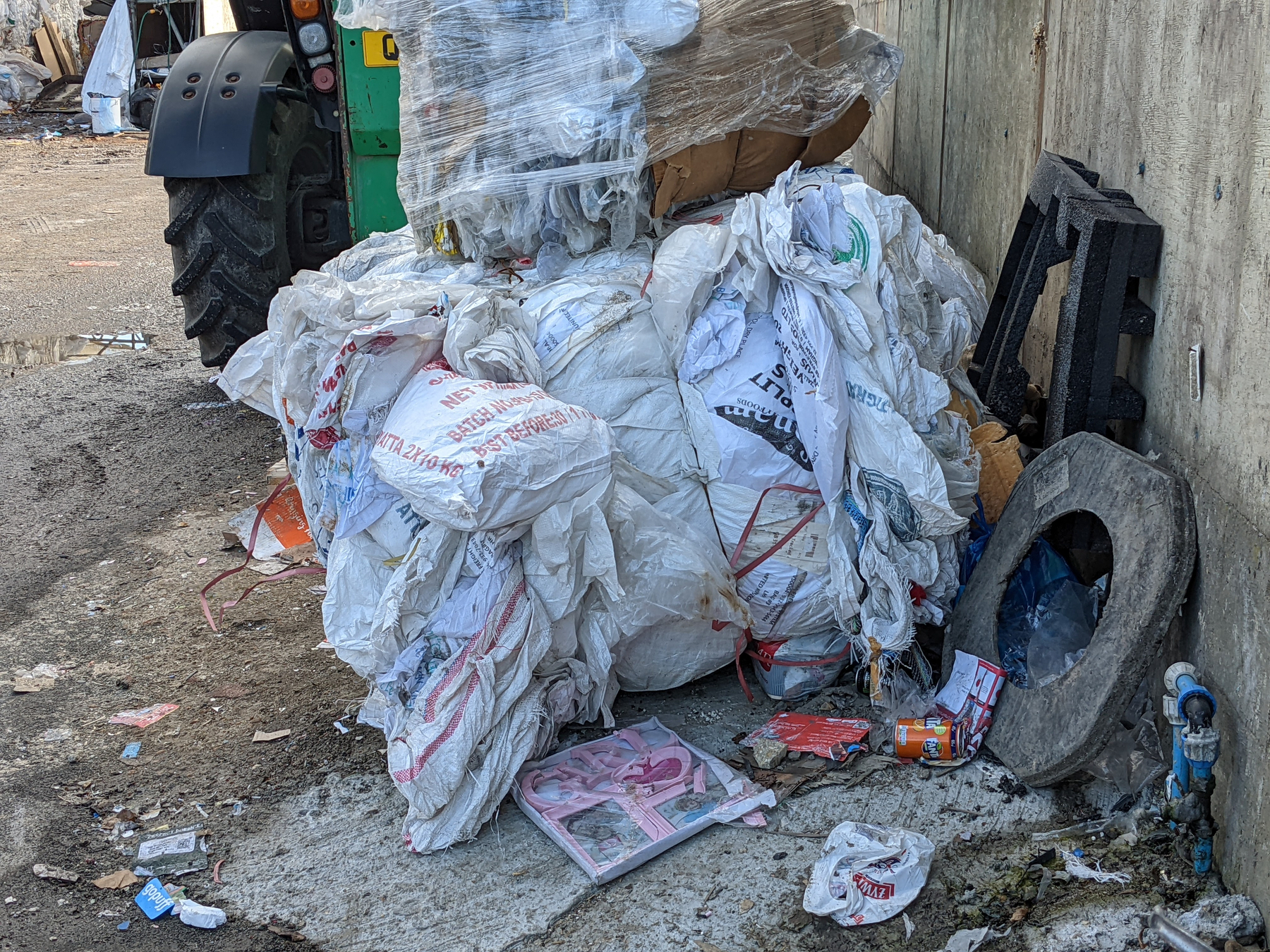
Explicit warnings from residents that poor waste handling and incineration practices posed serious air-quality, public health, and fire risks—particularly in an area already burdened by multiple pollution sources.
These concerns were escalated repeatedly through:
- Formal complaints to Ealing Council (2022–2024)
- Environmental Information Requests and Internal Reviews
- Correspondence involving Clean Air for Southall and Hayes (CASH) and local councillors
The fire released smoke from mixed recycling, a material known to emit fine particulate matter (PM2.5), toxic organic compounds, and other hazardous combustion by-products when burned. This occurred in a community characterised by:
- High asthma prevalence
- Prolonged exposure to cumulative industrial and transport pollution
- A well-established history of complaints about toxic odours and respiratory symptoms
Residents had repeatedly warned, publicly and privately, that so-called “normal operations” at this site were already causing harm. The uncontrolled fire dramatically intensified those risks.
Given the documented history of complaints, evidence, inspections, warnings, and unresolved regulatory confusion, the central issue is not why the fire happened, but:
Why was this site allowed to continue operating in a way that made a major fire and toxic smoke release entirely predictable?
This incident represents:
- A failure of enforcement, not a lack of information
- A failure of precaution, despite sustained warnings
- A failure to protect a vulnerable community, long accustomed to being told pollution levels were “within limits”
The Johnson Street fire should be treated as a sentinel event. It exposes systemic regulatory failure and confirms the validity of years of resident concerns that were minimised, delayed, or ignored. Any investigation that treats this as an isolated or unforeseeable incident will itself be incomplete.