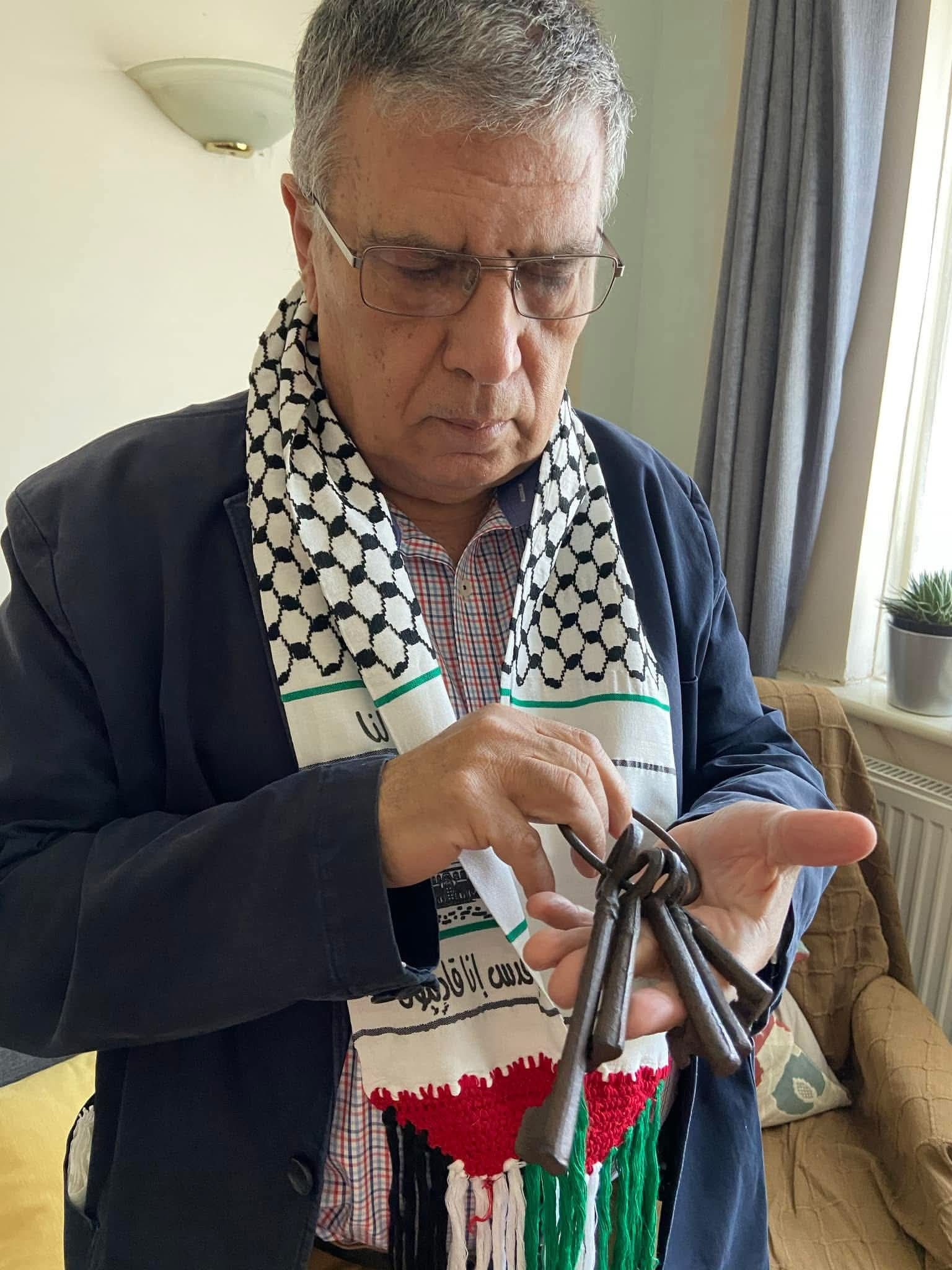
Yousef Qandeel was not born in al-Dawayima. He arrived five years too late for that. But he carries the keys.
Three iron keys on a ring, dark with age and heavy in the hand. They open nothing now — the house they belonged to no longer exists. The village it stood in no longer exists. In its place, since 1955, sits an Israeli settlement.
Where Palestinian families once marked the boundaries of their homes by planting prickly pear cactus — sabr in Arabic, the same word as patience — the land has been cleared and flattened.
The cactuses, though, are still there.
As Yousef puts it:
“Cactuses never die.”
They grow back among the ruins of terraced fields. They mark, in living tissue, the outlines of homes that no document records.
Yousef Qandeel, a Palestinian-British civil engineer and environmental scientist, has lived in Ealing for more than 25 years. This week he is standing as an Ealing Community Independents candidate in the Greenford Broadway ward — knocking on doors, talking to residents about cleaner streets and safer neighbourhoods, doing the ordinary work of local democracy. The keys are at home. But they are never far from his mind.
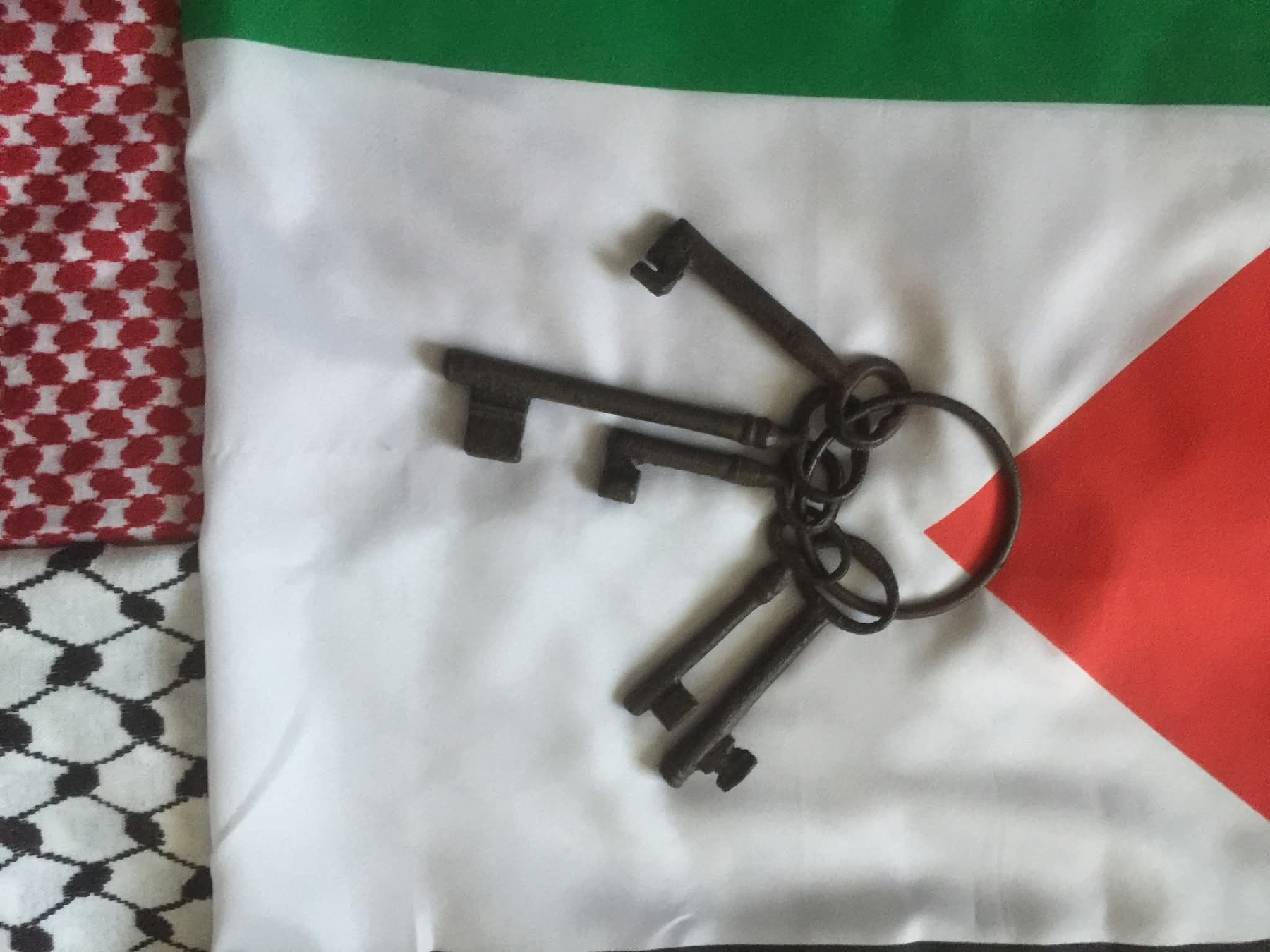
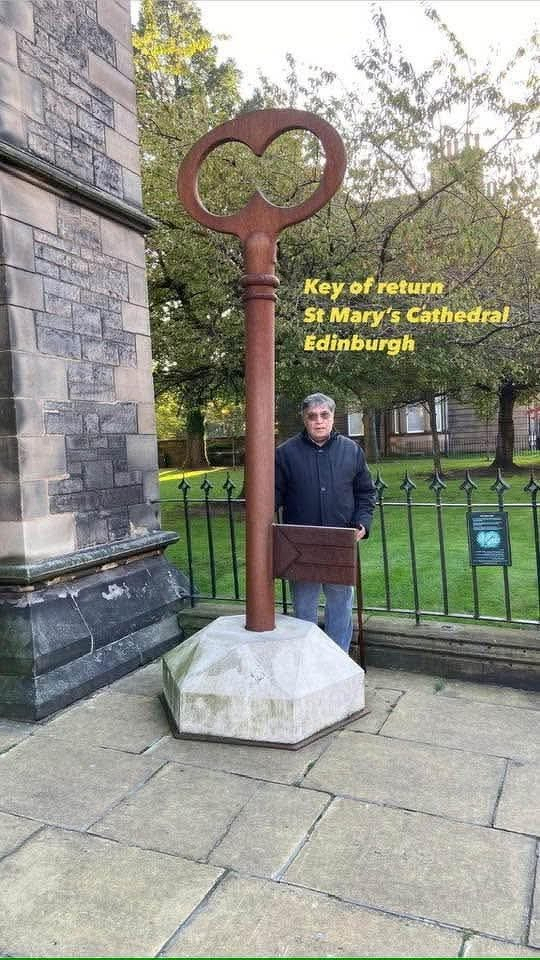
We met over coffee at Chaiiwala on Greenford Broadway, the morning after he’d been canvassing. He brought photographs. The keys laid on a Palestinian flag. Himself holding them, head bowed, in his home in Greenford. Himself standing at the Key of Return sculpture outside St Mary’s Cathedral in Edinburgh — a city that has done more than most to remember what happened to his family’s village.
He also brought the map.
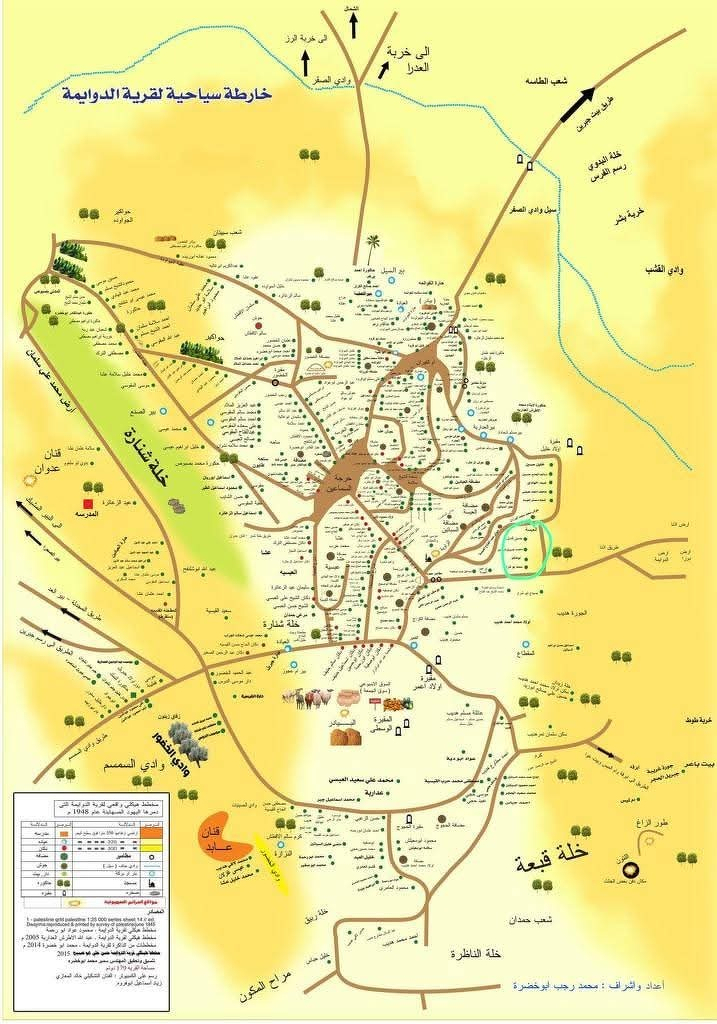
It is a remarkable document. Drawn from memory, testimony and historical survey by Mohamed Rajab Abu Khadra — himself from al-Dawayima, himself in exile — it records every house, every family name, every path and well and olive grove.
The village as it was.
Star-shaped, built of stone and mud, its mosque at the centre, its market busy on Fridays, its land producing wheat and barley, olives and figs, pomegranates and grapes. A population of approximately three to four thousand people, with trade routes to Hebron, Gaza, Jaffa and Haifa. Yousef has shared this map on his Facebook timeline. He circled his family’s home in green.
He has also shared, and translated into Arabic, a letter written in 1948 by an Israeli soldier named Sh. Kaplan to a colleague at the newspaper Al-Hamishmar.
The letter was written ten days after the massacre. It disappeared from the archive for years. It has since been relied upon by Jewish historians including Benny Morris.
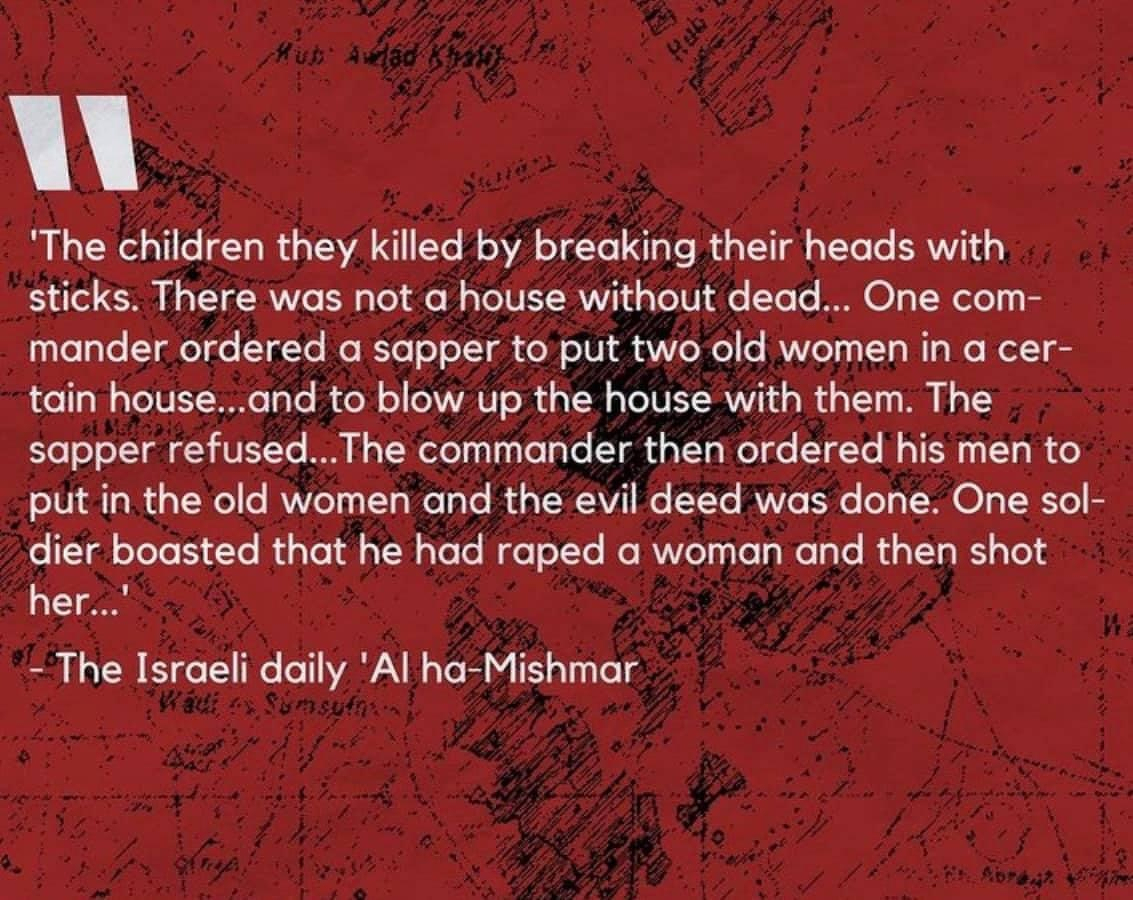
Kaplan wrote that there was no battle and no resistance.
- The first wave of troops killed between eighty and a hundred Arab women and children.
- The children were killed by smashing their skulls with sticks.
- There was not a house without dead.
A commander ordered a sapper to place two elderly women inside a house before blowing it up. The sapper refused. The commander ordered his men to do it instead. One soldier boasted that he had raped a woman and then shot her.
The principle, Kaplan wrote, was simple:
“The fewer Arabs remain, the better.”
No one in the field command or the high command objected.
By 1948, the massacre of the Palestinian village of Deir Yassin by Zionist paramilitaries had already become internationally known and widely condemned, including within Israel itself. Kaplan ended his letter with a question that amounted to a reproach directed at his own side:
“Is it right,” he asked, “to shout about Deir Yassin and be silent about something much worse?”
Yousef’s father was not in the village when Battalion 89 of the Israeli 8th Armoured Brigade arrived that Friday morning, approaching along three roads simultaneously. It was October. The olive harvest was under way, and his father was away from the village picking olives. That absence saved his life.
His sister and two of his aunts were murdered.
The village mukhtar, Hassan Mahmoud Ihdeib, gave sworn testimony to the United Nations Conciliation Commission for Palestine.
When the armoured vehicles arrived and soldiers disembarked, he recorded, they began shooting indiscriminately at anything that moved.
Worshippers at Friday prayers in the mosque were killed where they knelt.
Thirty-five families who fled to hide in the caves at Tur al-Zagh were tracked down, lined up, and shot.
A Forensic Architecture investigation, produced with Goldsmiths University, has since documented the cave massacre in detail.
There is also a film.
Estimates of the death toll vary. The mukhtar presented a figure of 580 to the Jordanian commander. An Israeli journalist who visited the site in 1984 estimated 332. The American consul in Jerusalem reported at the time that between 500 and 1,000 Arabs had been killed. The Palestine Land Society’s detailed account records 171 confirmed names killed in the mosque and caves alone. On any accounting, al-Dawayima was among the worst single atrocities of the Nakba — and the least remembered.
As Yousef said to me:
“It doesn’t really matter how many.”
The cover-up began immediately. Israeli forces burned the houses and buried bodies before UN observers could reach the site. When investigators tried to visit, they were told the road was mined. When they finally gained access, a week later, they reported a peculiar smell of burning flesh.
They were told the houses had been set alight to clear out vermin.
One UN officer saw a carbonised body. The Israeli officers expressed astonishment.
No one was ever prosecuted despite the IDF’s own intelligence service recommendations that they should be.
Abba Eban, the Israeli representative to the United Nations, wrote to the Security Council denying that a place called al-Dawayima existed at all.
“The Arab account of a massacre,” he wrote, “was lurid and sensational propaganda.”
This letter is in the UN archive. So is the mukhtar’s testimony. So, when it has not been removed, is the soldier’s letter.
In Edinburgh’s Bruntsfield Links, a tree was planted on 29 October 1998 — the fiftieth anniversary of the massacre — by the Rt Hon Eric Milligan, Lord Provost of Edinburgh. A stone marker reads: > Al-Dawayima, Palestine, 29 October 1948.
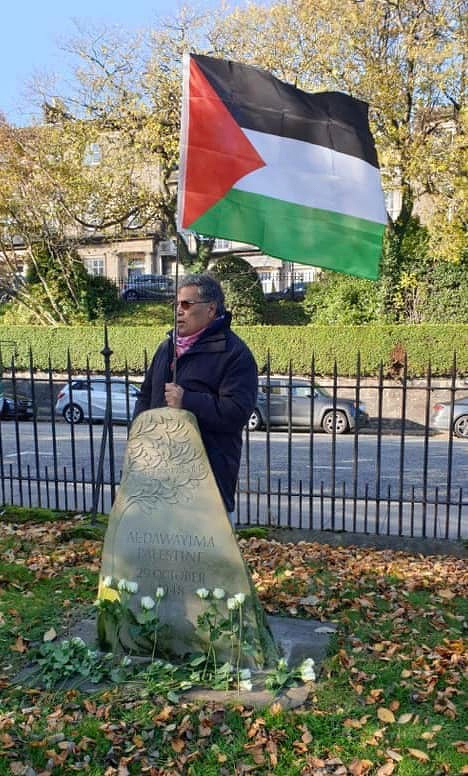
A carved stone monument nearby carries the same inscription. A bench beside it is fixed with a plaque quoting Nelson Mandela: > We know too well that our freedom is incomplete without the freedom of the Palestinians.
Yousef has been photographed at all of these sites, and at the Key of Return sculpture at St Mary’s Cathedral. He goes to Edinburgh, in part, because Edinburgh remembers.
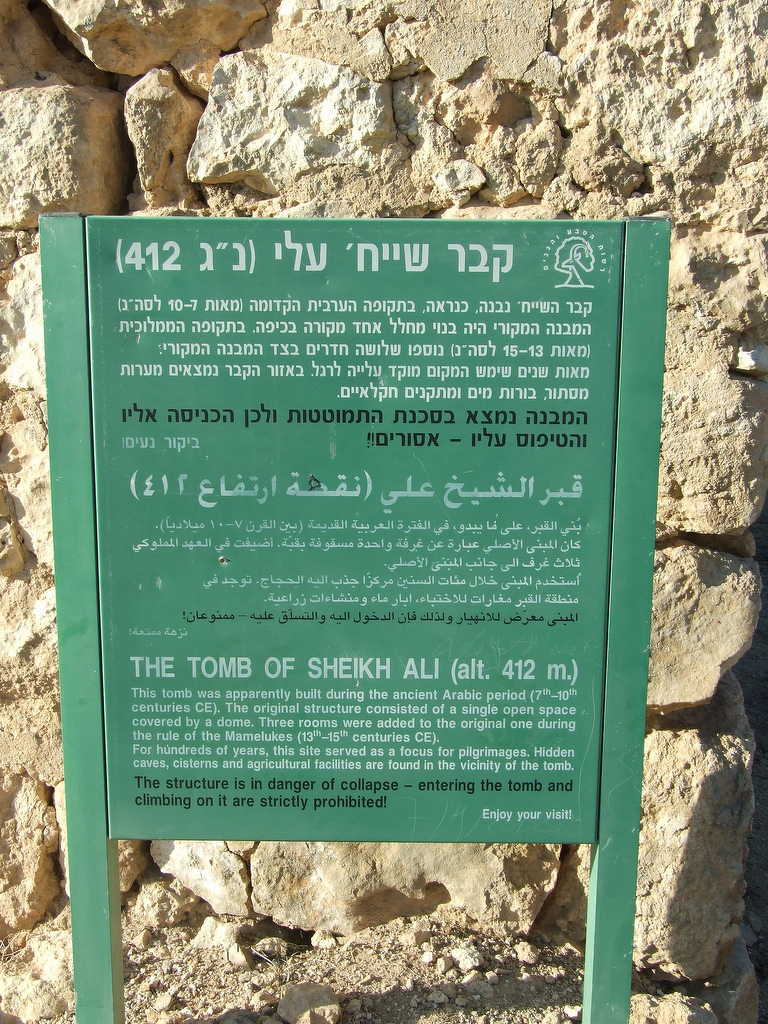
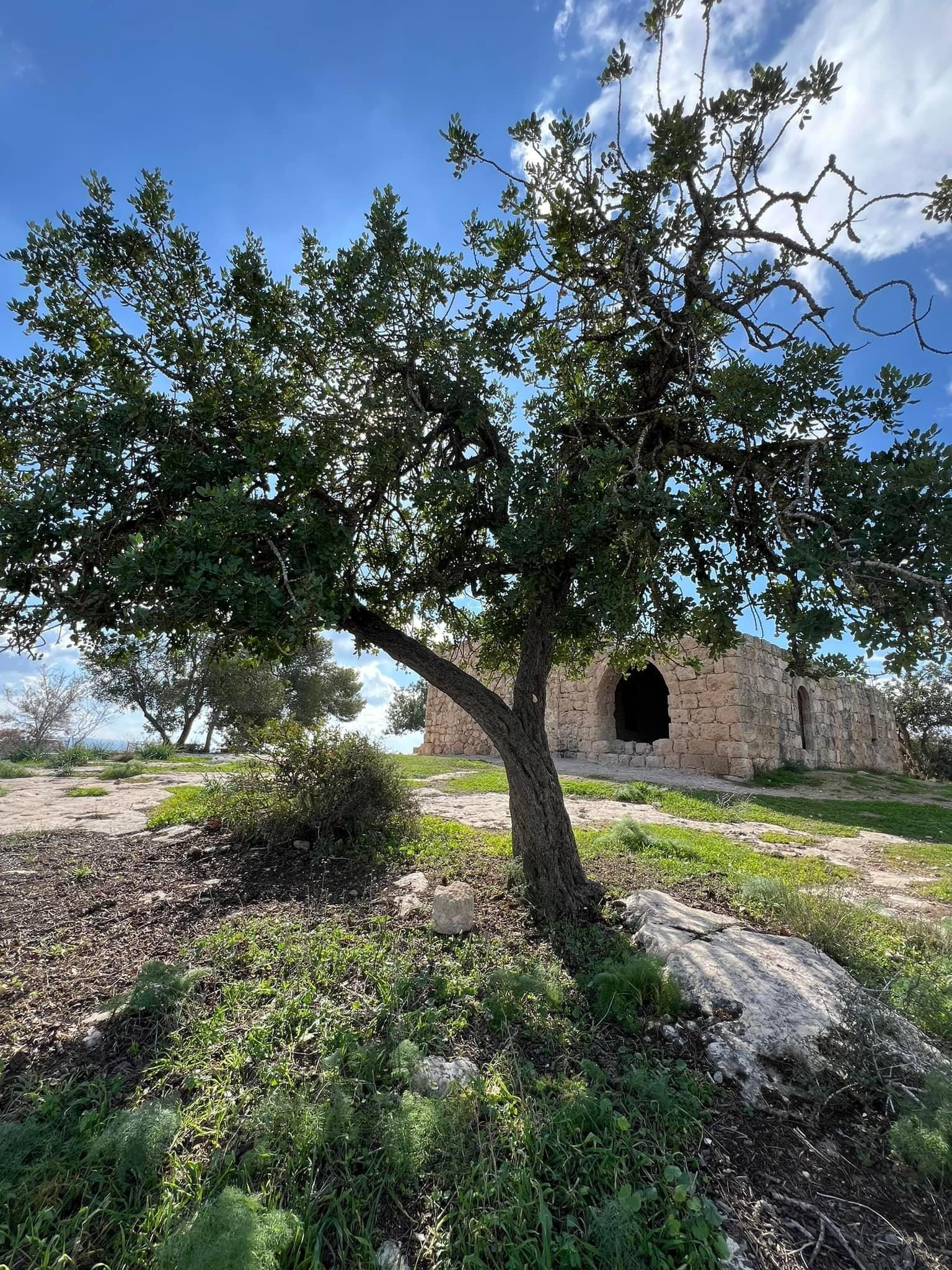
On the land where al-Dawayima once stood, an Israeli nature reserve sign marks the ancient Tomb of Sheikh Ali — a dome of stone that served as a place of pilgrimage for centuries. The sign records two thousand years of history. It does not mention the massacre. It does not mention the bones. Among the ruins of terraced fields and the remains of old houses, the cactuses are still growing.
Under the Israeli Law of Return, Yousef Qandeel has no right to go back home to the land of his father and his ancestors.
Israeli law, however, does grant that right to anyone who is Jewish, or who becomes Jewish — by birth, by descent, or by conversion — regardless of any prior connection to the land.
A family whose roots in a place stretch back generations, who hold the keys, who kept the map, who translated the soldier’s letter so that the truth would not disappear again: none of that confers any standing under Israeli law.
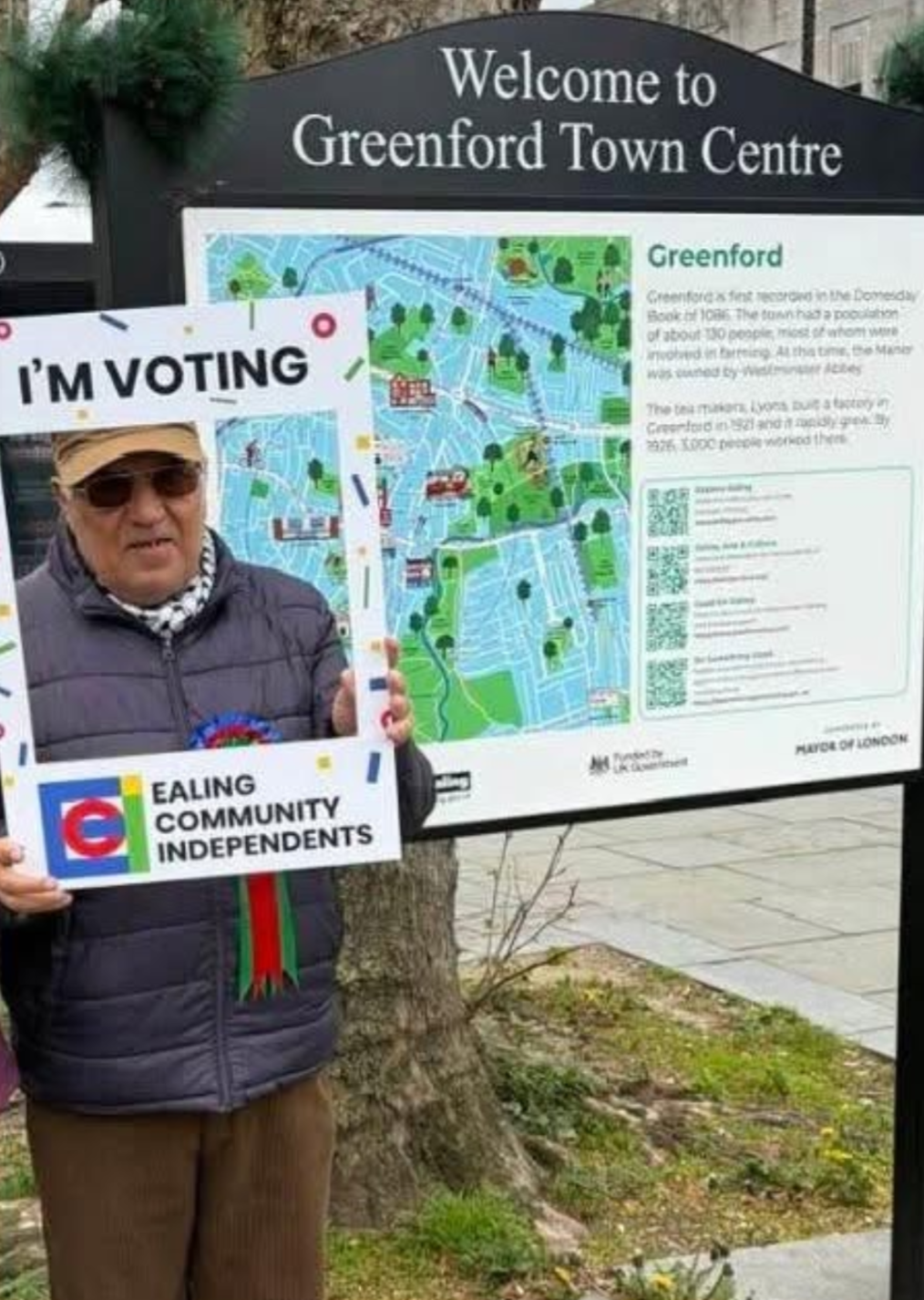
Yousef is standing for a council seat in Greenford Broadway on 7 May.
That he is standing as an independent rather than for the Labour Party is itself part of the story.
Yousef was a Labour Party member for years.
He left voluntarily when right-wing factions in the party the party began attacking the Party leader Jeremy Corbyn.
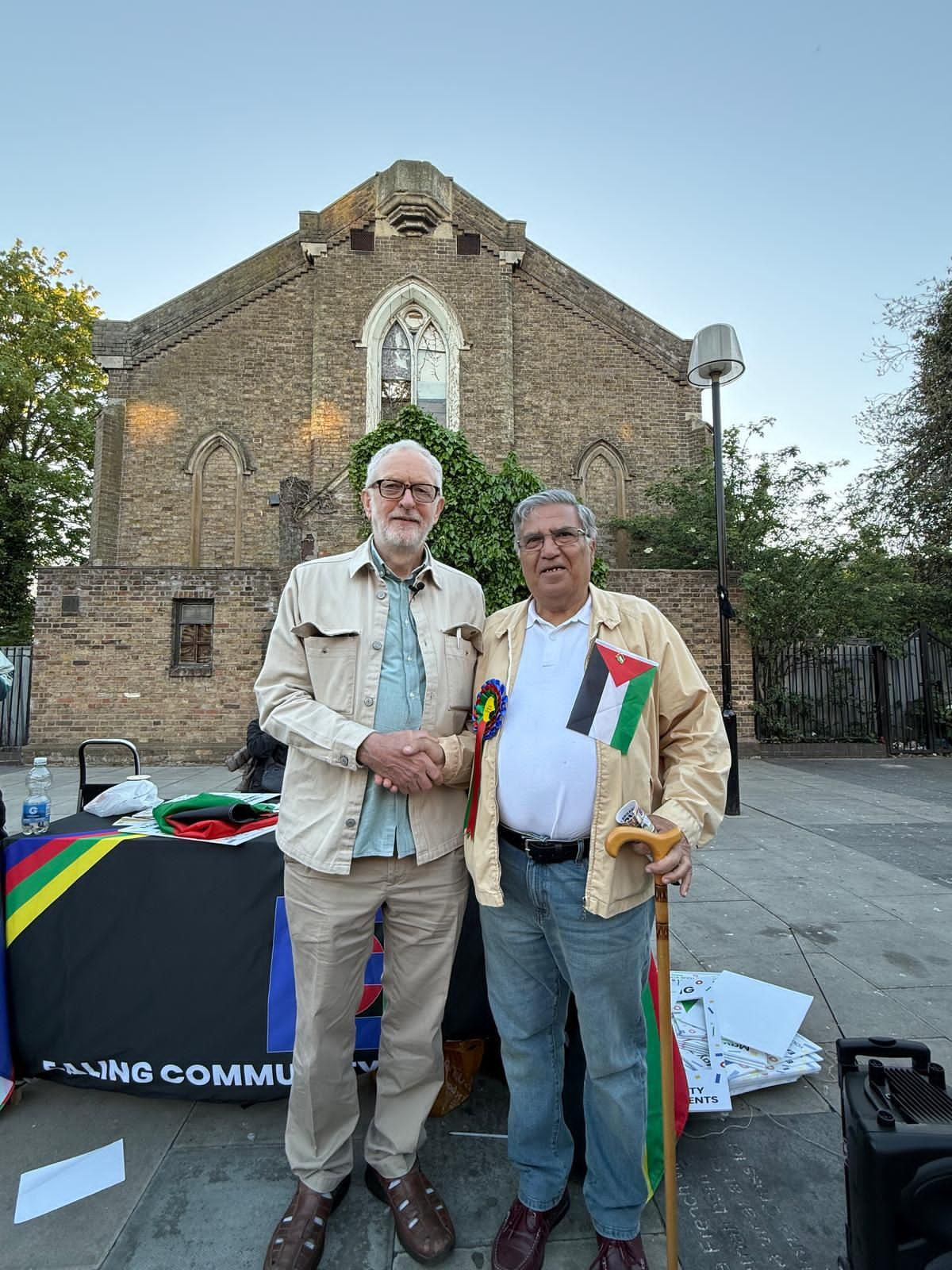
Before that, he had put his name forward to be an Ealing Labour councillor candidate. He says he was told by one of the current sitting councillors in Greenford Broadway that he had been rejected, because, in that councillor’s words:
You’re Palestinian. You’re left-wing".
At the candidate assessment panel, Yousef recalls, he was asked whether he agreed to follow the Party whip. He declined — telling the panel, he says, that he was independent-minded and would assess each local issue on its merits rather than blindly follow the national party line.
The party that did not want him as a candidate is the party that runs Ealing Council. And the question of how Ealing Council relates to what is happening to Palestinians today is not an abstract one.
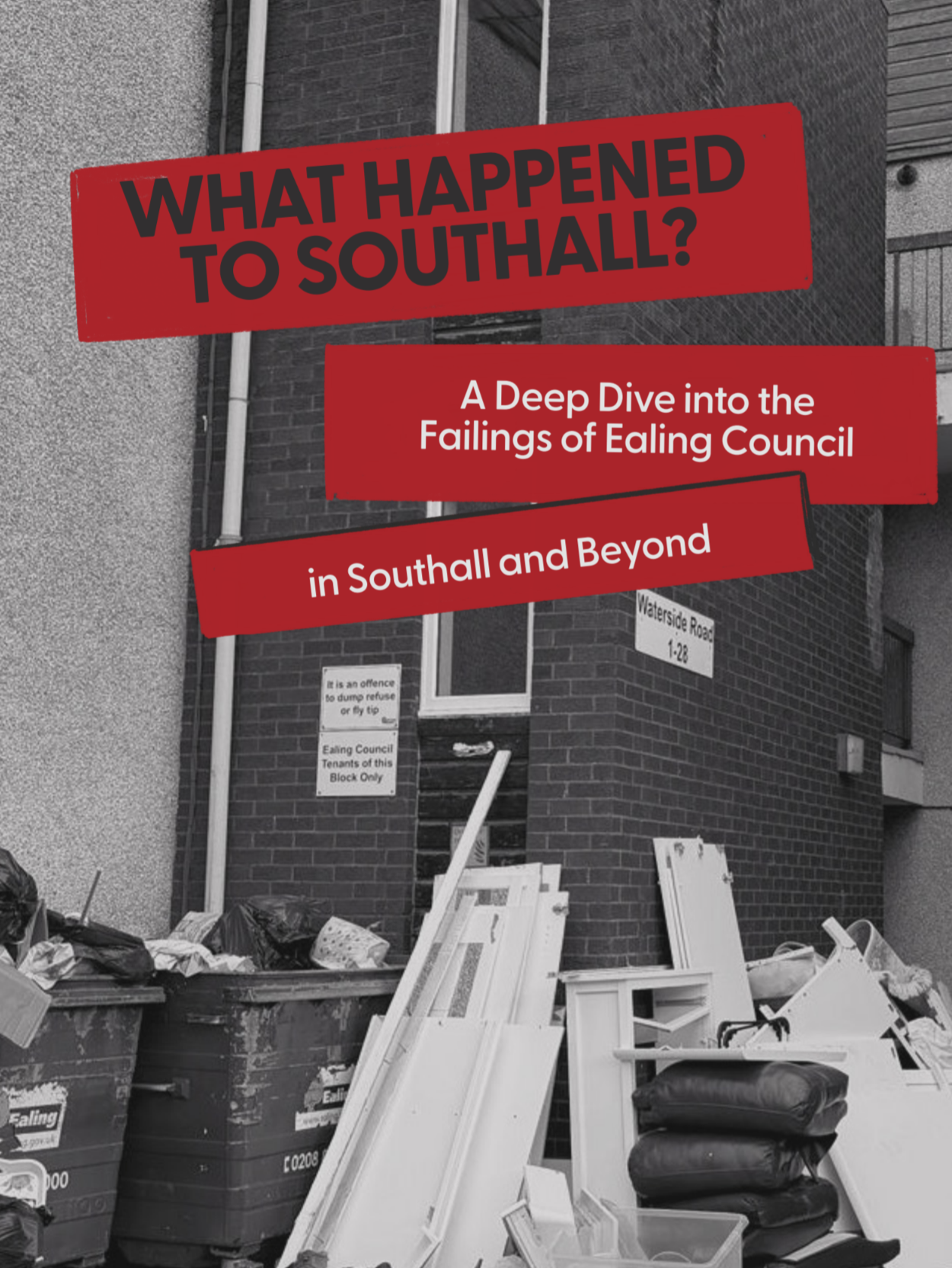
According to the resident-led investigation What Happened to Southall?, published in March 2026 by Community Powered Reporting, Ealing Council’s pension fund is invested, through the London Collective Investment Vehicle (LCIV), to the tune of approximately £112,896,000 in companies described in the report as complicit in Israel’s actions in Gaza.
The list, the report says, includes Maersk, Palantir, and Elbit Systems — the latter being Israel’s largest weapons manufacturer. The figures are drawn from a council Freedom of Information response, screened against the United Nations Human Rights Office database, the American Friends Service Committee database, and the Who Profits database.
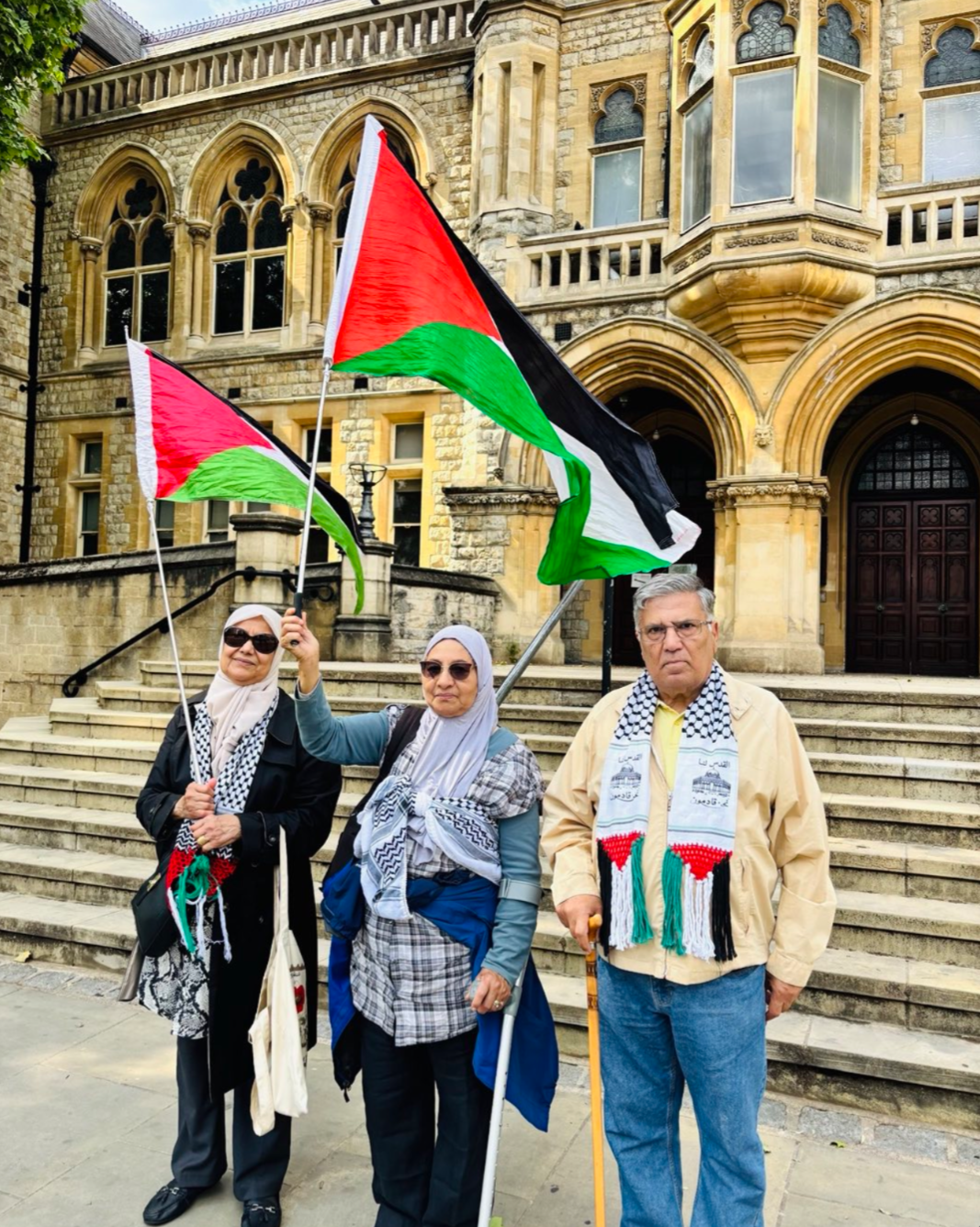
A formal residents’ petition demanded Ealing divest. The council refused to debate it.
The Pension Fund Panel has not once placed divestment on its agenda.
When LCIV divested from Russian holdings within weeks of the invasion of Ukraine, the report notes, it did so without controversy and without legal challenge.
On Russia: ethical clarity. On Gaza: procedural neutrality.
The report sets out the role of Ealing Council leader Peter Mason in detail.
From December 2021 until his resignation in July 2024, Mason held a shareholder-nominated directorship on the LCIV board — a seat held specifically to represent the interests of Ealing Council and its pension scheme members.
In July 2024 Mason resigned that seat and joined the board of the Local Government Association. Three months later, the LGA commissioned the legal opinion from senior barrister Nigel Giffin KC that has since been cited by other councils as a reason not to divest.
The report is careful to note there is no public evidence that Mason directed or commissioned the Giffin opinion. What it documents is the sequence: Mason left the room where Ealing’s pension investments are decided, took a seat in the room where the national legal architecture against divestment was being built, and the Ealing seat at the LCIV has, the report records, remained vacant ever since.
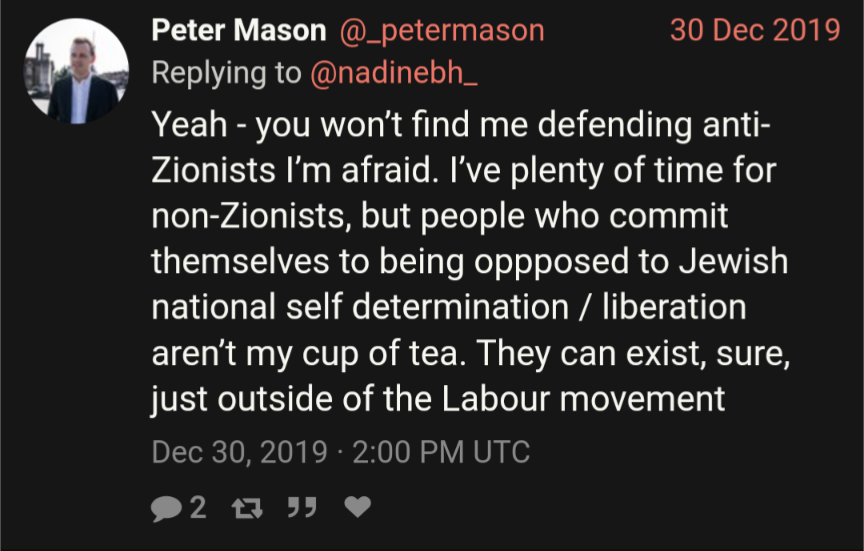
The report also notes Mason’s public statement that anti-Zionists have no place in the Labour movement. Mason represents Southall Green ward, which has one of the largest Sikh, Muslim, South Asian and Arab populations in London.
So this is the situation in Ealing in May 2026.
-
A council leader who has held, and given up, a seat at the table where pension investment decisions affecting his residents’ retirement savings are made.
-
A pension fund of more than £112 million invested in companies flagged for their role in what the International Court of Justice has found to involve a plausible risk of genocide.
-
A Pension Fund Panel that has refused, in the face of formal petitions and public protest, to so much as place the question on its agenda.
-
A Labour party that, on Yousef’s account, rejected him as a candidate for being “Palestinian and left-wing”.
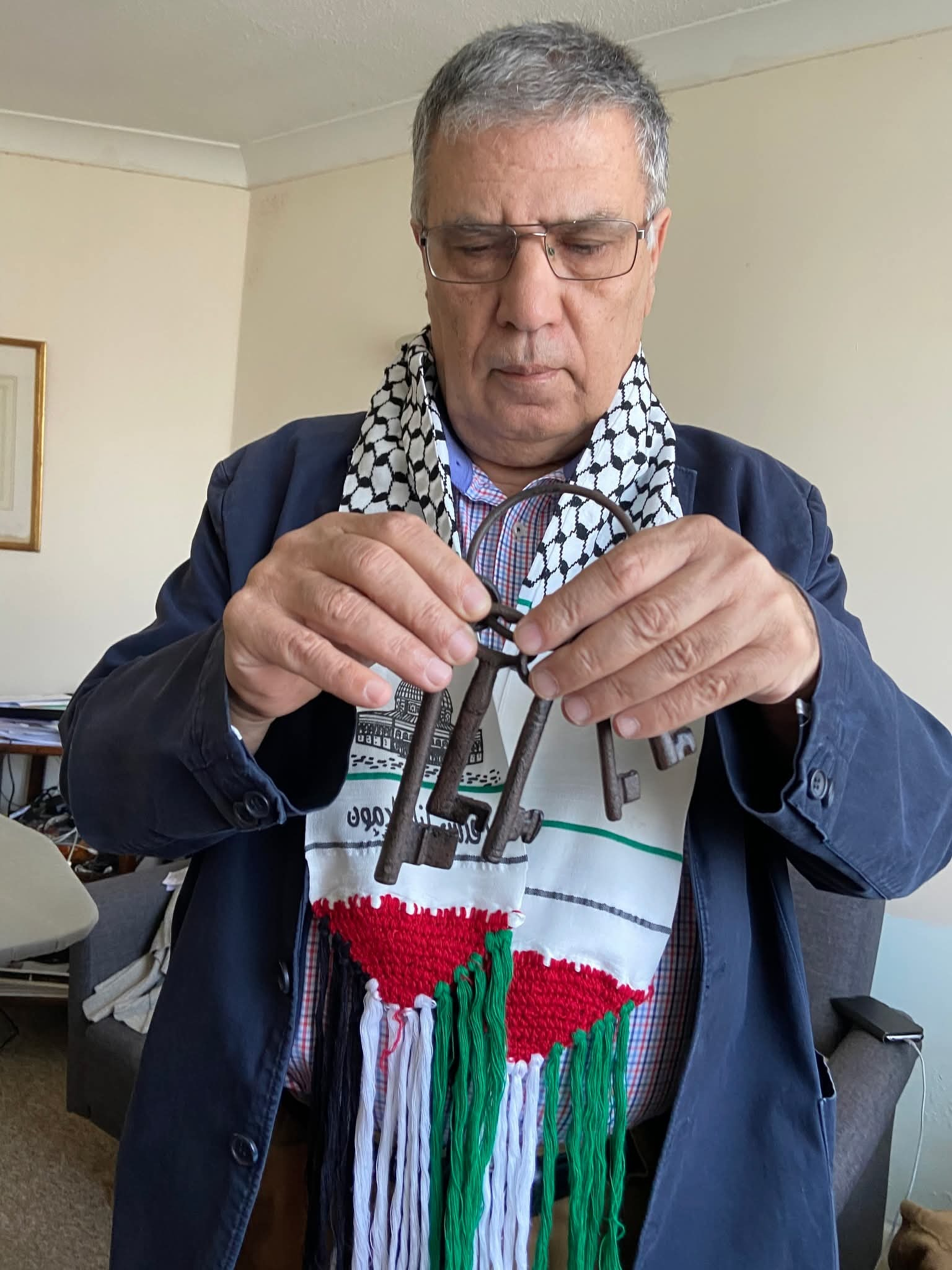
And, standing in Greenford Broadway, a 73-year-old Palestinian engineer who carries three iron keys to a house in a village that no longer exists, whose father survived because he was picking olives that October morning, whose sister and aunts did not survive at all.
Yousef Qandeel cannot, under Israeli law, go home. The least his neighbours in Ealing might ask of their elected council is that it stop investing their money in the architecture that is doing to Gaza now what was done to al-Dawayima then.
Voters who want to support candidates committed to Palestinian rights at the local elections on 7 May can find guidance at Vote Palestine.